
Choosing the right television today can be confusing because of the many display technologies available. Modern TVs come with different resolutions and screen technologies, each offering unique advantages in picture quality, brightness, and viewing experience. Understanding these differences can help buyers choose the best TV for their needs and budget.
In this guide, we compare FHD, UHD, OLED, QLED, and Neo QLED technologies and explain how each one works.
What Is FHD (Full HD)?
Full HD (FHD) refers to a display resolution of 1920 × 1080 pixels, commonly known as 1080p. For many years, FHD was the standard resolution for televisions and is still widely used in budget-friendly TVs and smaller screens.

FHD TVs provide clear images for everyday viewing, including watching cable TV, streaming content, and playing video games. Because the resolution is lower than newer technologies, FHD TVs are usually more affordable.
However, compared to modern high-resolution displays, FHD TVs offer less detail and clarity, especially on larger screens. When watching high-quality content on a large television, the difference between FHD and higher resolutions becomes noticeable.
FHD TVs are best suited for smaller rooms, secondary TVs, or viewers who want a simple and affordable option.
What Is UHD (4K Ultra HD)?
Ultra High Definition (UHD), commonly called 4K, has a resolution of 3840 × 2160 pixels, which is four times the resolution of Full HD.
This higher pixel count results in sharper images, more detailed textures, and improved clarity. UHD TVs are now the most common type of television on the market.

Most streaming platforms such as Netflix, YouTube, and Prime Video offer content in 4K resolution, making UHD TVs a great choice for people who enjoy high-quality movies and shows.

UHD TVs also support technologies such as HDR (High Dynamic Range), which improves brightness, contrast, and color accuracy.
Many companies including Samsung, LG, and Sony offer a wide range of UHD televisions in different sizes and price ranges.
What Is OLED Technology?
OLED (Organic Light-Emitting Diode) is a display technology where each pixel produces its own light. Unlike traditional LED TVs that rely on back lighting, OLED screens do not require a separate light source.

This allows OLED TVs to turn individual pixels completely off, creating true black levels and extremely high contrast ratios. As a result, images appear more realistic with deep blacks and vibrant colors.
 OLED TVs also offer very wide viewing angles and excellent motion performance, making them ideal for watching movies, sports, and gaming.
Companies like LG and Sony are well known for producing high-quality OLED televisions.
However, OLED TVs are generally more expensive than standard LED or QLED models, which may make them less attractive for budget buyers.
What Is QLED Technology?
QLED (Quantum Dot LED) is a display technology developed and popularised by Samsung. QLED TVs use a layer of quantum dots to enhance color and brightness.
Unlike OLED, QLED TVs still use LED back lighting, but the quantum dot layer helps produce brighter and more vibrant colours


One of the biggest advantages of QLED TVs is their brightness. They perform extremely well in bright rooms where OLED screens may appear slightly dim.
QLED TVs also tend to be more affordable than OLED models while still offering excellent picture quality.
Because of their brightness and durability, QLED TVs are a popular choice for watching sports, gaming, and daytime viewing.
What Is Neo QLED Technology?
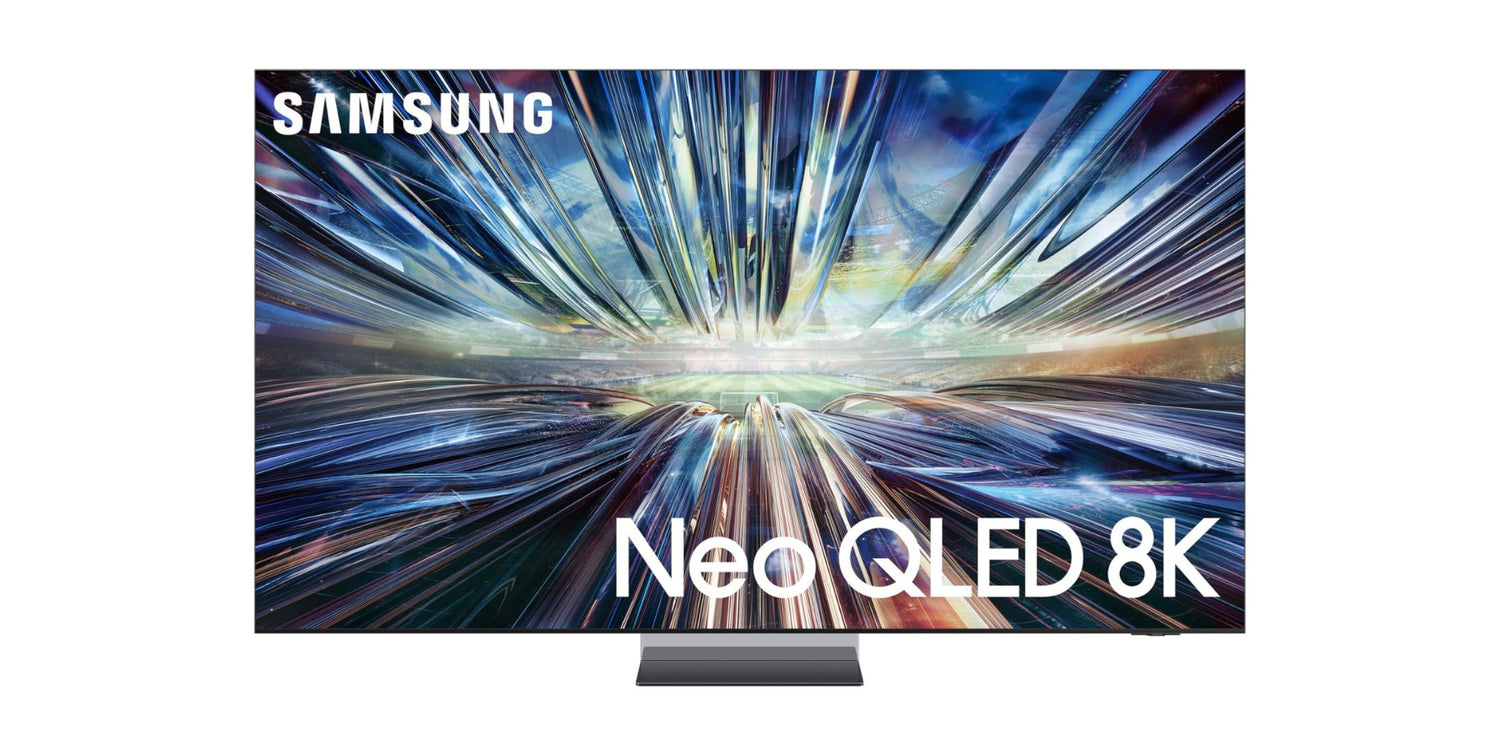
Neo QLED is an advanced version of QLED technology introduced by Samsung. It uses Mini-LED back lighting, which contains thousands of tiny LEDs behind the display.
These smaller LEDs allow more precise brightness control across the screen, improving contrast and reducing light leakage.
Neo QLED TVs offer several benefits:
-
Higher brightness levels
-
Better contrast and deeper blacks
-
Improved HDR performance
-
More precise local dimming


This technology combines the brightness of QLED with improved contrast that approaches OLED performance.
Neo QLED TVs are typically found in premium television models and are designed for users who want top-tier picture quality without choosing OLED.
Key Differences Between These TV Technologies
The main differences between FHD, UHD, OLED, QLED, and Neo QLED involve resolution, brightness, contrast, and price.
-
FHD TVs are affordable but have lower resolution.
-
UHD TVs provide much sharper images and are now the most common choice.
-
OLED TVs offer the best contrast and true black levels.
-
QLED TVs provide bright and colourful images at a reasonable price.
-
Neo QLED TVs combine high brightness with advanced Mini-LED back-lighting for premium performance.

Each technology has its own advantages depending on the viewing environment and user preferences.
Which TV Technology Should You Choose?
Choosing the right TV depends on several factors, including budget, room lighting, and viewing habits.
If you want an affordable TV for casual viewing, an FHD model may be sufficient.
If you want excellent picture quality and future-ready resolution, UHD or 4K TVs are a better option.
For viewers who prioritise cinematic picture quality and deep blacks, OLED televisions are often considered the best choice.
If your living room is bright and you want a bright, colourful display, QLED TVs are a great option.
For those who want premium performance with advanced technology, Neo QLED TVs provide an excellent balance of brightness and contrast.
Conclusion
Modern televisions offer a variety of technologies designed to improve the viewing experience. From affordable FHD TVs to advanced Neo QLED displays, each type has its own strengths and ideal use cases.
Understanding how these technologies work can help you make a more informed decision when buying a new television. Whether you prioritise affordability, brightness, or cinematic picture quality, there is a TV technology that perfectly matches your needs. 📺